Metabolic Support Protocol
BMS Resources · Clinician Reference Series
Metabolic Disease & Diabetes Care
Integrative assessment and treatment for insulin resistance, prediabetes, type 2 diabetes, MASLD (formerly NAFLD), and the metabolic syndrome.
For licensed practitioners — supportive clinical reference, not medical advice.Care strategy & key drivers
Key drivers of pathology
Metabolic disease is best understood as a continuum driven by chronic positive energy balance, ectopic lipid accumulation, hepatic and skeletal-muscle insulin resistance, beta-cell stress, low-grade systemic inflammation, and mitochondrial inefficiency. Hyperinsulinemia precedes hyperglycaemia by years and is itself a driver of dyslipidemia, hypertension, and atherogenic ApoB-particle elevation.
Visceral and intra-organ fat (liver, pancreas, perivascular) — rather than total body weight — is the more proximate pathologic actor; adipose-derived inflammatory mediators (TNF-α, IL-6, leptin/adiponectin imbalance) and disordered hepatic gluconeogenesis sustain the cycle. Gut microbial dysbiosis and metabolic endotoxemia (LPS translocation), circadian disruption, sleep deficit, and chronic psychological stress each amplify insulin resistance through distinct but converging pathways, which is why a purely calorie-focused approach often plateaus.
Care strategy — phenotype before sequencing
STEP 1Phenotype: HOMA-IR (insulin resistance), ALT and waist (hepatic / visceral burden), TG/HDL and ApoB (lipid pattern), hsCRP (inflammation).
STEP 2Identify the dominant driver — caloric / carbohydrate excess, sedentary skeletal muscle, sleep / stress dysregulation, or microbiome-mediated metabolic endotoxemia.
STEP 3Select the diet pattern that matches phenotype — carb-restricted, Mediterranean, or time-restricted eating.
STEP 4Layer aerobic + resistance activity, sleep / stress modulation, and targeted supplementation against the identified driver.
STEP 5Re-test the same panel at 12 weeks. Meaningful biomarker movement is the strongest practical predictor of remission probability and the inflection point to intensify, layer, or step down.
Mapping interventions to drivers
Each lever in this protocol targets a defined node in the cascade:
- Carbohydrate restriction lowers post-prandial insulin and depletes hepatic glycogen, accelerating MASLD reversal.
- Mediterranean and plant-forward patterns reduce inflammatory and atherogenic substrate while increasing soluble fibre and polyphenols.
- Time-restricted eating supports metabolic flexibility and circadian alignment.
- Aerobic activity drives non-insulin-dependent glucose uptake (GLUT4 translocation) and improves mitochondrial biogenesis within days.
- Resistance training expands the muscle glucose sink and counteracts age-related sarcopenic insulin resistance.
- Berberine activates AMPK with effects similar in magnitude to first-line oral hypoglycaemics and modulates the gut microbiome.
- Soluble fibres blunt post-prandial glycaemia, support endogenous GLP-1 secretion, and reduce ApoB-bearing lipoproteins.
- Mind-body practices dampen cortisol-driven hepatic glucose output and visceral fat deposition.
Coordinate this protocol with the Cardiovascular section when ApoB or hsCRP is elevated.
Assessment
Standard cardio-metabolic panel plus the markers below, grouped by what they characterize. Re-test at 12 weeks of any new intervention.
Glycemic / insulin-resistance assessment
| Test | Provider | Direct link |
|---|---|---|
| Fasting insulin (for HOMA-IR)Pair with fasting glucose; calculate HOMA-IR | Dynacare | Open test page |
| HOMA-IR calculatorOxford DTU official tool | Oxford DTU | Open calculator |
| HOMA-IR (bedside)Quick clinical calculator | MDCalc | Open calculator |
| HbA1cDiagnosis and monitoring; aim for trend not single value | Dynacare | Open test page |
| FreeStyle Libre (CGM)14-day continuous glucose; pattern-based coaching | Abbott (clinician portal) | Open provider portal |
Cardiometabolic risk markers
| Test | Provider | Direct link |
|---|---|---|
| Apolipoprotein B (ApoB)Best single lipid marker for atherogenic burden | Dynacare | Open test page |
| Lipoprotein(a) [Lp(a)]Once per lifetime; genetically determined CVD risk | Dynacare | Open test page |
| hsCRP<1.0 low / 1–3 average / >3 high vascular risk | Dynacare | Open test page |
Functional / nutritional assessment
| Test | Provider | Direct link |
|---|---|---|
| NutrEval (functional nutrition)Organic acids, amino acids, fatty acids, micronutrients | Genova | Open test page |
Lifestyle & non-pharmacologic interventions
Diet — match strategy to phenotype
- Carbohydrate restriction (<100 g/day; whole-food, low-glycemic) for marked insulin resistance, MASLD, or hypertriglyceridemia.
- Mediterranean / plant-forward for mixed dyslipidemia and elevated ApoB; emphasis on legumes, nuts, EVOO, fatty fish, ≥30 g/day fibre.
- Time-restricted eating (10–12 h feeding window) as adjunct; defer in patients with disordered eating.
- Reduce ultra-processed foods, sugar-sweetened beverages, and refined seed-oil load; emphasize mono- and polyunsaturated fats and antioxidant-dense plants.
Physical activity
- Aerobic ≥150 min/week moderate (or 75 min vigorous) — improves insulin sensitivity within days.
- Resistance training 2–3 sessions/week — preserves lean mass and amplifies glycemic benefit.
- Post-prandial walking 10–15 min — meaningful reduction in glucose excursions.
Mind-body
- Mindfulness or yoga 3–5×/week; sleep ≥7 h with consistent timing — both directly improve HOMA-IR.
- Stress modulation reduces cortisol-driven hepatic glucose output and visceral fat deposition.
Glycemic & insulin-sensitising support
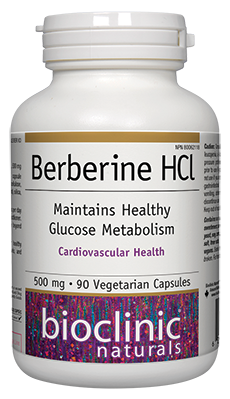
Berberine is the highest-yield botanical anchor; combine intentionally rather than stack. Caution: berberine inhibits CYP3A4 — review concurrent meds, and anticipate dose reduction of sulfonylureas or insulin when adding glycemic-lowering nutraceuticals.




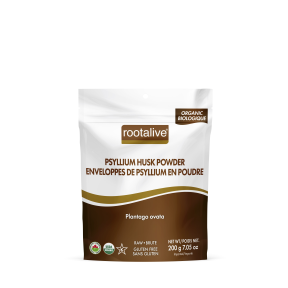
Soluble fibre — post-prandial glycaemia & ApoB
Soluble fibre at clinically relevant doses (10–20 g/day) blunts post-prandial glucose excursion, supports endogenous GLP-1 secretion, and lowers ApoB-bearing lipoproteins. Begin low, titrate with adequate fluid.


Clinical pearls & cautions
- Stack carefully: berberine + metformin → additive GI upset; titrate slowly. Berberine inhibits CYP3A4 — review concurrent meds.
- Hypoglycemia risk: when adding glycemic-lowering nutraceuticals to sulfonylureas or insulin, anticipate dose reduction of pharmacotherapy.
- Re-test at 12 weeks: HbA1c, fasting insulin / glucose (HOMA-IR), ApoB, hsCRP, ALT for MASLD monitoring.
- Consider CGM (2-week clinician-led trial) for refractory cases or to drive behaviour change.
- Co-elevation of ApoB or hsCRP? Coordinate with the Cardiovascular protocol — untreated metabolic disease limits the ceiling of cardiovascular response.
Disclaimer. This protocol is provided for educational purposes for licensed healthcare practitioners. It is not a substitute for clinical judgment, full patient assessment, or current local standards of care. BMS Resources does not provide medical advice. Practitioners are responsible for verifying that recommended products, doses, and tests are appropriate for their patient and jurisdiction. Dose ranges reflect typical practitioner-level adult dosing; individualize for the patient's clinical picture, comorbidities, and concurrent pharmacotherapy.
Display prices in:CAD