Cardiovascular Health Protocol
BMS Resources · Clinician Reference Series
Cardiovascular Health
Integrative cholesterol and hypertension support — ApoB-driven prevention, vascular inflammation, Lp(a) risk-modification, and home BP-led management.
For licensed practitioners — supportive clinical reference, not medical advice.Care strategy & key drivers
Key drivers of pathology
Atherosclerotic cardiovascular disease (ASCVD) is fundamentally a disease of cumulative ApoB-particle exposure to a vulnerable arterial wall, modified by vascular inflammation, endothelial dysfunction, oxidative stress, and — for a sizeable subset — genetically elevated lipoprotein(a). Hypertension contributes both as an independent vascular stressor and as an accelerator of plaque burden, mediated by sympathetic activation, RAAS dysregulation, salt-sensitivity, loss of endothelial nitric oxide bioavailability, and arterial stiffening.
Insulin resistance, MASLD, and visceral adiposity amplify all of these mechanisms simultaneously and remodel the lipid profile toward small, dense, atherogenic particles, which is why CV risk in metabolically unhealthy patients is consistently underestimated by LDL-C-only models. Lp(a) — largely genetically determined — is an independent, unmodifiable-by-lifestyle risk amplifier that warrants more aggressive ApoB lowering when elevated.
Care strategy — beyond LDL-C
STEP 1Expand the panel: ApoB (atherogenic burden), Lp(a) once per lifetime, hsCRP (inflammation), expanded lipids.
STEP 2Risk-stratify intermediate-risk patients with CAC scoring; reserve CCTA for symptoms or indeterminate non-invasive workups.
STEP 3Lifestyle-first: Mediterranean / DASH dietary pattern, soluble fibre, sodium moderation, sleep apnoea screen in resistant HTN.
STEP 4Stack mechanism-complementary nutraceuticals: phytosterols + soluble fibre + EPA for ApoB; magnesium + NO precursors + isometric for BP.
STEP 5Re-test ApoB, hsCRP, home BP at 12 weeks. Coordinate with Metabolic protocol when insulin resistance or MASLD is co-present.
Mapping interventions to drivers
Each lever in this protocol is selected for a specific mechanism so they can be combined purposefully rather than stacked indiscriminately.
- Mediterranean and DASH patterns combine direct ApoB lowering (reduced saturated fat, increased soluble fibre) with anti-inflammatory polyphenol load and vasodilatory potassium and dietary nitrate intake.
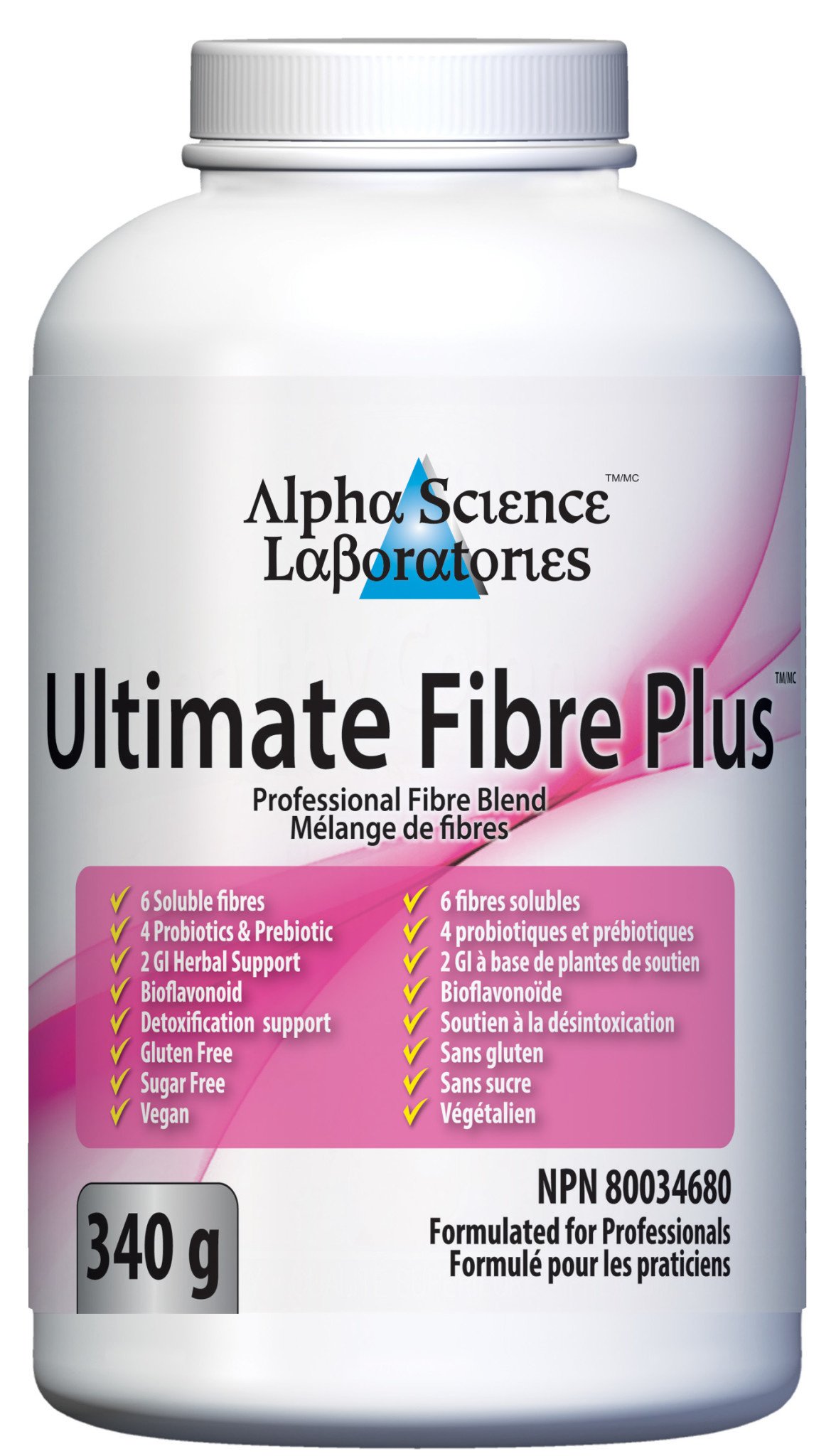
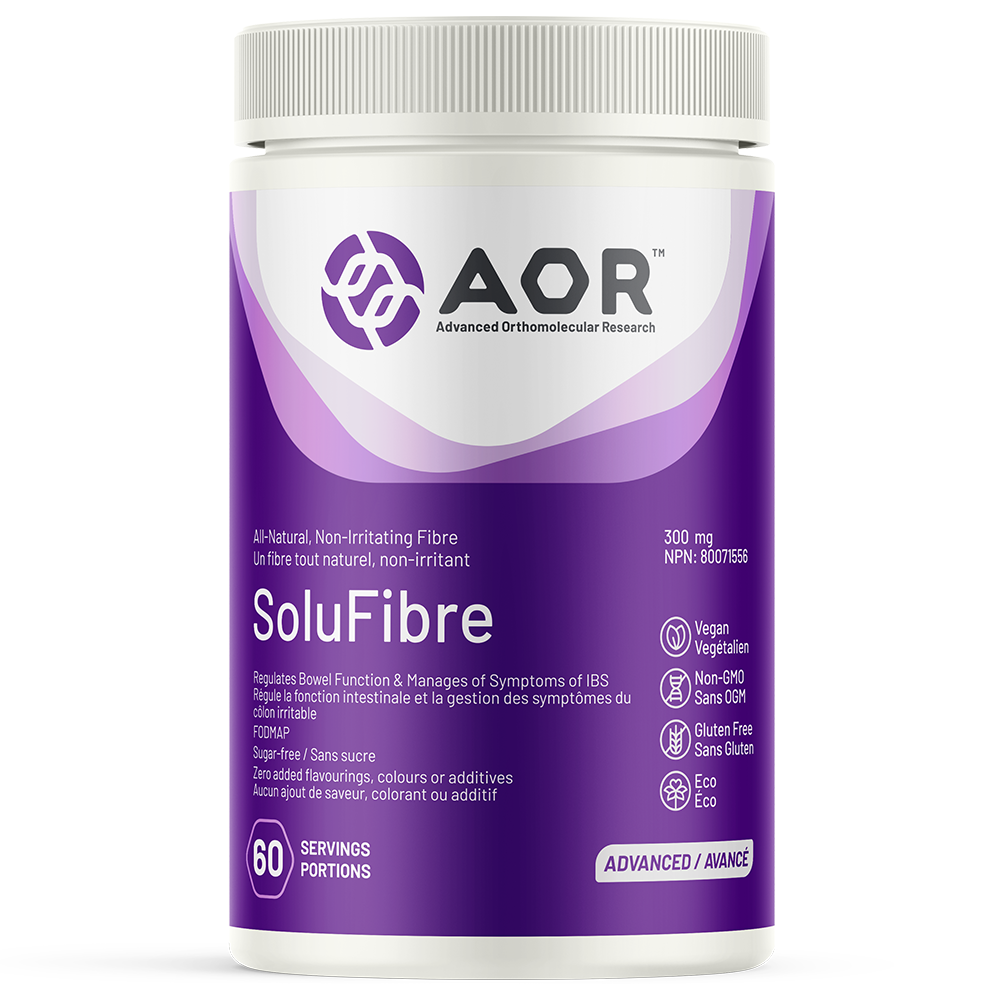
- Soluble fibre 7–10 g/day binds bile acids, forcing hepatic LDL-receptor upregulation.
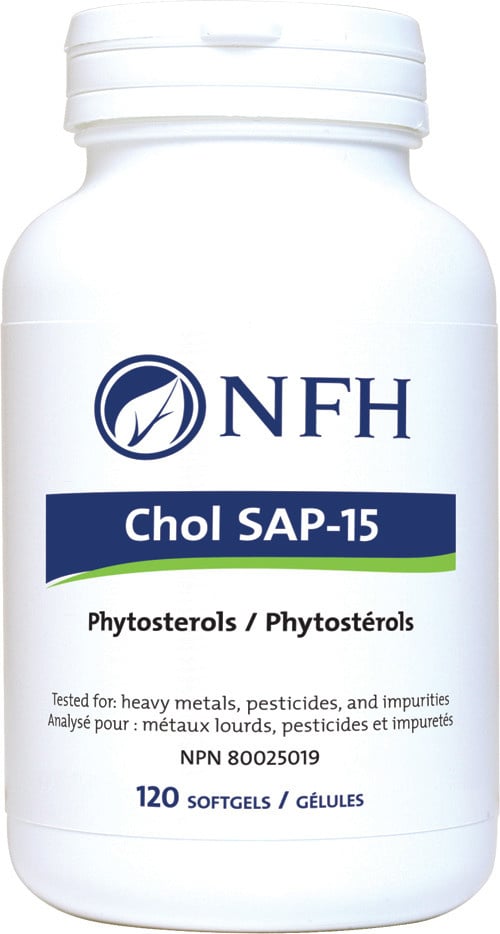
- Phytosterols competitively inhibit cholesterol absorption for an additional ~10% LDL reduction additive to dietary measures.
- High-EPA omega-3 lowers triglycerides, stabilizes plaque, and exerts modest BP and anti-inflammatory effects.
- Magnesium glycinate addresses common subclinical deficiency and supports nocturnal BP and sleep quality.
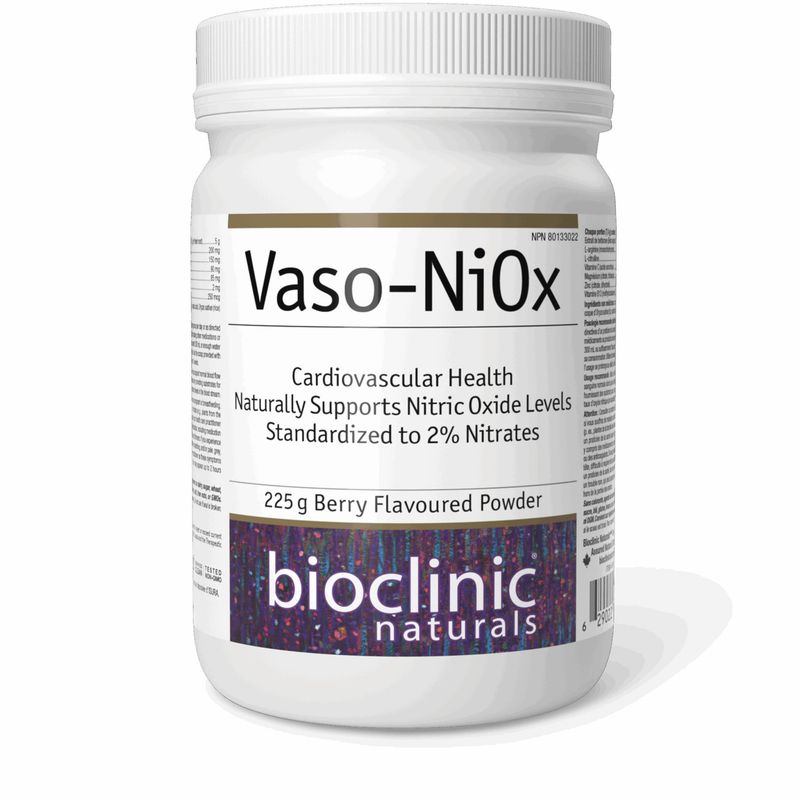
- L-citrulline / beetroot products restore NO bioavailability and endothelial function.
- Isometric handgrip training delivers the largest non-pharmacologic systolic effect documented in meta-analyses.
- Aerobic and resistance training improve endothelial function, BP, and the underlying metabolic milieu.
Statin-intolerant patients can often achieve clinically meaningful ApoB reduction by stacking phytosterols, soluble fibre, and EPA — ideally alongside dietary change rather than as a substitute for it.
Assessment
Standard lipid panel plus the targeted markers below, grouped by what they characterize. Use CAC score in intermediate-risk patients to refine intervention intensity; reserve CCTA for symptoms or indeterminate non-invasive work-ups.
Lipid & atherogenic burden
| Test | Provider | Direct link |
|---|---|---|
| Apolipoprotein B (ApoB)Goal <0.80 g/L for primary prevention; <0.65 g/L if very-high-risk | Dynacare | Open test page |
| Apolipoprotein B (ApoB)Alternate provider | LifeLabs | Open test page |
| Lipoprotein(a) [Lp(a)]Order once per lifetime; risk-modifier | Dynacare | Open test page |
| Lipoprotein(a) [Lp(a)]Alternate provider | LifeLabs | Open test page |
| NMR LipoProfile (LDL-P)Particle number — useful when ApoB unavailable or discordant | Dynacare | Open test page |
| NMR LipoProfileAlternate (US) | LabCorp | Open test page |
Inflammatory & coagulation markers
| Test | Provider | Direct link |
|---|---|---|
| hsCRPVascular inflammation marker; repeat after intervention | Dynacare | Open test page |
| Fibrinogen, quantitativeProcoagulant / inflammatory burden | Dynacare | Open test page |
| D-dimerThrombotic state screen — interpret in context | Dynacare | Open test page |
Imaging — anatomical risk stratification
| Test | Provider | Direct link |
|---|---|---|
| Coronary artery calcium (CAC) scoreRisk-stratify intermediate-risk patients | Mayfair Diagnostics | Open info page |
| Coronary CT angiography (CCTA)Anatomical plaque burden — when CAC is intermediate or symptoms warrant | MIC Medical Imaging | Open info page |
Functional / comprehensive panel
| Test | Provider | Direct link |
|---|---|---|
| CardioION (functional cardiac panel)Optional comprehensive nutritional + cardiometabolic | Genova | Open test page |
Lifestyle & non-pharmacologic interventions
Diet
- Mediterranean / DASH-style pattern: emphasize EVOO, nuts, legumes, fatty fish, vegetables, whole grains; reduce processed meat, refined carbohydrate, and alcohol.
- Soluble fibre 7–10 g/day (oats, psyllium, beans, apples) — additive to plant sterols.
- Sodium <1500–2000 mg/day for hypertension; pair with potassium-rich plants.
Physical activity
- Aerobic ≥150 min/week — lowers BP 4–9 mm Hg; raises HDL.
- Resistance training 2–3×/week — additional BP and metabolic benefit.
- Isometric handgrip 4×2 min sessions, 3×/week — meta-analyses show 5–10 mm Hg systolic reduction.
Mind-body & sleep
- Mindfulness or paced breathing 10 min daily — modest but real BP effect.
- Sleep apnoea screening in resistant hypertension; treat OSA where present.
Cholesterol-focused practitioner products
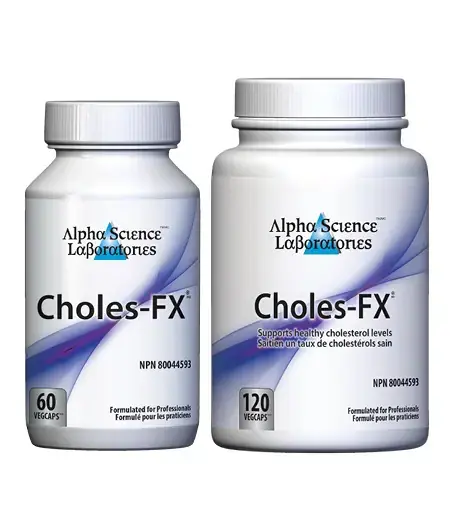
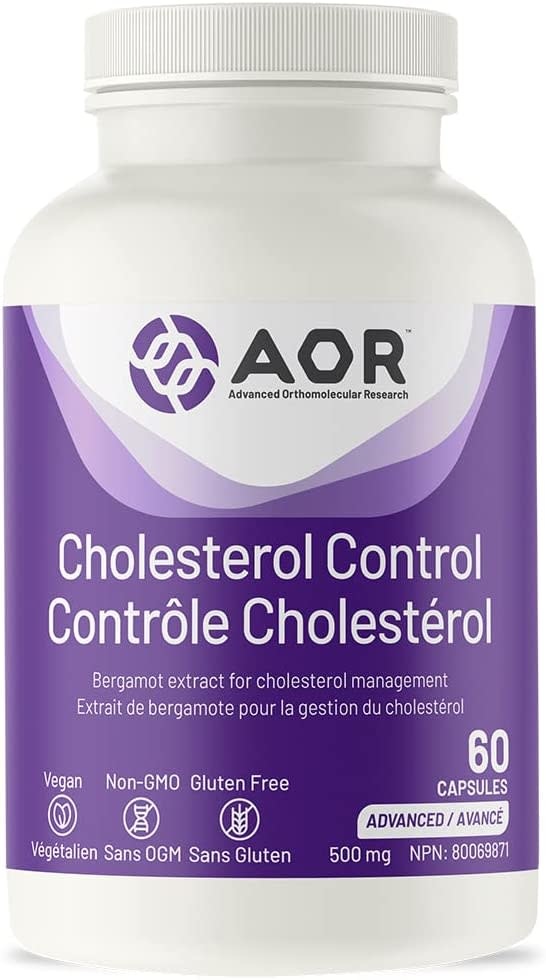
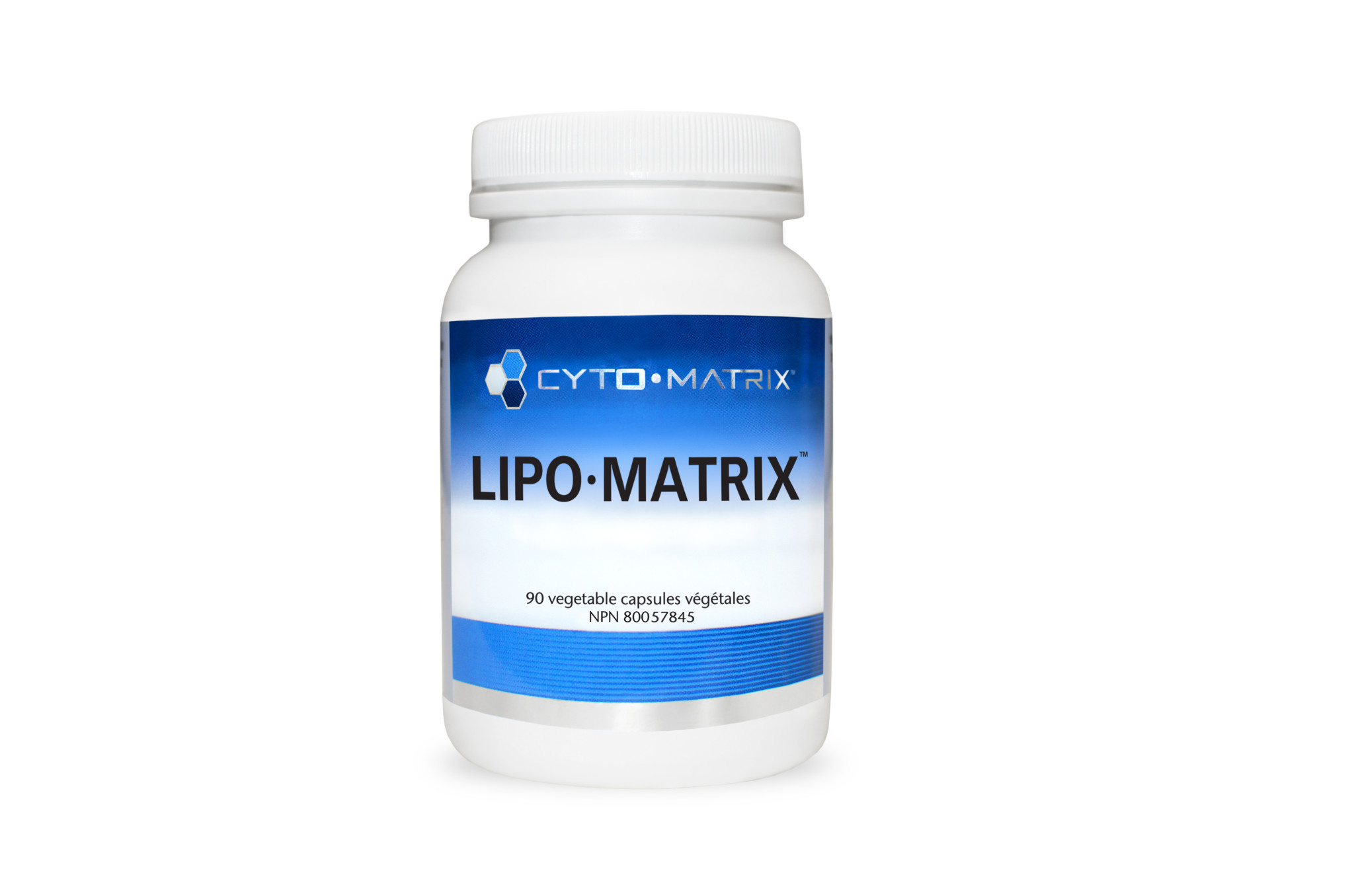
Stack mechanism-complementary agents — phytosterols (absorption inhibition) + soluble fibre (bile-acid binding) + EPA (TG lowering, plaque stabilization) — for additive ApoB reduction. Particularly useful in statin-intolerant patients.

Hypertension-focused practitioner products
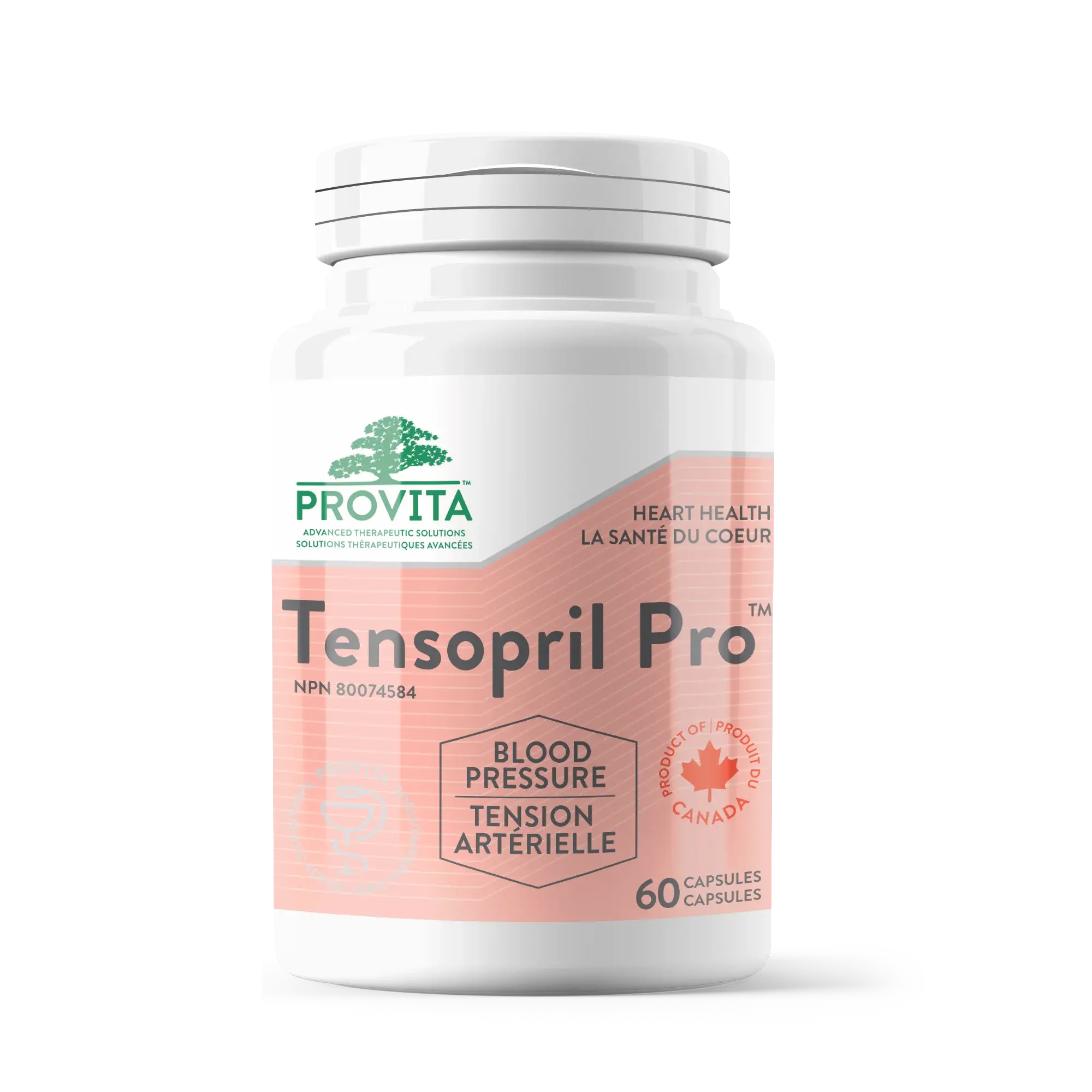
Stack complementary mechanisms — multi-mechanism BP formulas + magnesium + NO precursors + omega-3 — before, or alongside, pharmacotherapy. Monitor home BP series rather than single in-office reading.


Clinical pearls & cautions
- ApoB > non-HDL-C > LDL-C: treat to ApoB target; LDL-C alone underestimates risk in metabolic syndrome and high-TG patients.
- Lp(a) elevation warrants more aggressive ApoB lowering and lifestyle adherence; consider earlier CAC imaging.
- Statin-intolerant patients: plant sterols + soluble fibre + EPA can deliver meaningful ApoB reduction; consider CoQ10 with statins.
- Drug interactions: magnesium, fish oil, and NO precursors stack with antihypertensives — monitor for hypotension; verify INR if on warfarin.
- Re-test at 12 weeks: ApoB, hsCRP, lipid panel; home BP series rather than single in-office reading.
Disclaimer. This protocol is provided for educational purposes for licensed healthcare practitioners. It is not a substitute for clinical judgment, full patient assessment, or current local standards of care. BMS Resources does not provide medical advice. Practitioners are responsible for verifying that recommended products, doses, and tests are appropriate for their patient and jurisdiction. Dose ranges reflect typical practitioner-level adult dosing; individualize for the patient's clinical picture, comorbidities, and concurrent pharmacotherapy.
Display prices in:CAD