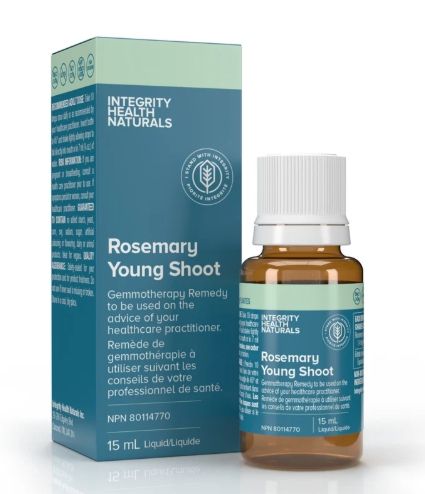
INTEGRITY ROSEMARY YOUNG SHOOT 15ML
$43.00
On the spiritual, and mental-emotional levels, rosemary young shoots address liver stagnations that manifest as anger or allergy; it supports the gall to endure life’s tribulations.
In stock: 3 available
Product Details
Brand: INTEGRITY HEALTH
Rosemary is a sturdy shrub that thrives in drought and high wind climates. Though not the richest botanical source of rosmarinic acid, rosemary contains two major diterpenes: carnosic acid and carnosol. The two diterpenes exert anti-inflammatory and antioxidant effects that induce Nrf2 and phase II detoxifying enzymes; hence why rosemary is known to support liver metabolism. Traditionally, the leaves of rosemary are used for appetite-stimulating, circulatory, and antispasmodic effects. Finally, rosemary has exhibited neuroprotective effects on human brain cells in vitro.
Save this product for later
Customer reviews
Reviews only from verified customers
No reviews yet. You can buy this product and be the first to leave a review.
INTEGRITY ROSEMARY YOUNG SHOOT 15ML
Display prices in:CAD