IBS-Clinical Protocol Reference
BMS Resources · Clinician Reference Series
IBS & SIBO Protocol
Integrative assessment and treatment for irritable bowel syndrome, small intestinal bacterial overgrowth (SIBO), and intestinal methanogen overgrowth (IMO).
For licensed practitioners — supportive clinical reference, not medical advice.Care strategy & key drivers
Key drivers of pathology
IBS and SIBO/IMO sit at the intersection of motility impairment, microbial dysbiosis, mucosal barrier dysfunction, visceral hypersensitivity, and disordered brain-gut signalling. Slow or disordered migrating motor complex (MMC) activity allows small-bowel bacterial overgrowth and methanogenic archaea (IMO); fermentation of poorly absorbed carbohydrates by these organisms generates hydrogen, methane, and hydrogen sulphide — driving distension, pain, and altered transit. Low-grade mucosal inflammation, mast cell activation, and increased intestinal permeability sustain visceral nociception even after the inciting trigger resolves, while central sensitization in the brain-gut axis amplifies symptom severity disproportionate to objective findings.
Common upstream contributors to screen for at intake: post-infectious IBS, anti-vinculin antibodies, prior abdominal surgery, hypothyroidism, opioid use, and structural anomalies (ileocaecal valve dysfunction, adhesions).
Care strategy — staged framework
STEP 1Exclude structural / inflammatory disease (calprotectin, celiac, age-appropriate cancer screen).
STEP 2Phenotype: IBS-C / IBS-D / IBS-M / functional bloating, with or without SIBO / IMO / H₂S overgrowth.
STEP 3Reduce fermentable substrate & microbial overgrowth via diet and targeted antimicrobials.
STEP 4Restore motility & mucosal integrity with prokinetics, carminatives, and barrier-supportive nutrients.
STEP 5Modulate the brain-gut axis to interrupt central amplification and reduce relapse.
Sequence matters — introducing prebiotic-heavy probiotics or high-FODMAP fibres before addressing overgrowth predictably worsens symptoms and erodes patient confidence in the plan.
Mapping interventions to drivers
Each lever in this protocol targets a specific pathophysiologic node:
- Low-FODMAP & elemental diets reduce fermentation substrate and selectively starve overgrowth populations.
- Targeted antimicrobials & nightly low-dose prokinetics address overgrowth and protect against recurrence by restoring MMC activity.
- Enteric-coated peppermint & Iberogast (STW-5) relax intestinal smooth muscle and modulate visceral pain.
- Low-fermentation soluble fibres (PHGG, partially hydrolysed psyllium) restore bulk and regularity without flaring fermentation symptoms.
- Targeted strain-specific probiotics support barrier function and competitive exclusion.
- Gut-directed hypnotherapy plus daily mindfulness address the central component that pharmacologic and dietary measures alone cannot reach.
Assessment
Recommended baseline workup: CBC, ferritin, TSH, celiac serology, fecal calprotectin, plus the targeted assessments below.
Stool-based microbiome assessment
| Test | Provider | Direct link |
|---|---|---|
| Comprehensive Stool Analysis — GI360PCR + culture; dysbiosis, pathogens, digestion, inflammation markers | Doctor's Data | Open test page |
| GI Effects Comprehensive StoolPCR-based; microbiome metabolic function, inflammation, maldigestion | Genova | Open test page |
| GI-MAP Quantitative Stool PCRqPCR — bacteria, viruses, parasites, yeast; 7–10 day TAT | Diagnostic Solutions | Open test page |
| GI Advanced Microbiome Profile127+ markers across 15 categories; includes zonulin and H. pylori | US Biotek | Open test page |
| GutIQ (PCR + metagenomic sequencing)Deeper microbiome characterization; useful in refractory cases | US Biotek | Open test page |
Breath testing for SIBO / IMO
| Test | Provider | Direct link |
|---|---|---|
| Lactulose breath test (H₂ / CH₄)3-hour collection preferred for slow transit | Genova — SIBO | Open test page |
| Lactulose / glucose breath testAt-home kits; H₂ and methane | Aerodiagnostics | Open test page |
| Trio-Smart breath test (H₂ / CH₄ / H₂S)Adds hydrogen sulfide — useful in diarrhoea-predominant IBS | Gemelli Biotech | Open test page |
Adjunct testing
| Test | Provider | Direct link |
|---|---|---|
| IgG food sensitivity panelAdjunct in mixed/refractory presentations only | US Biotek | Open test page |
Lifestyle & non-pharmacologic interventions
Diet
- Low-FODMAP elimination × 2–6 weeks with structured reintroduction (Monash app for patient self-management).
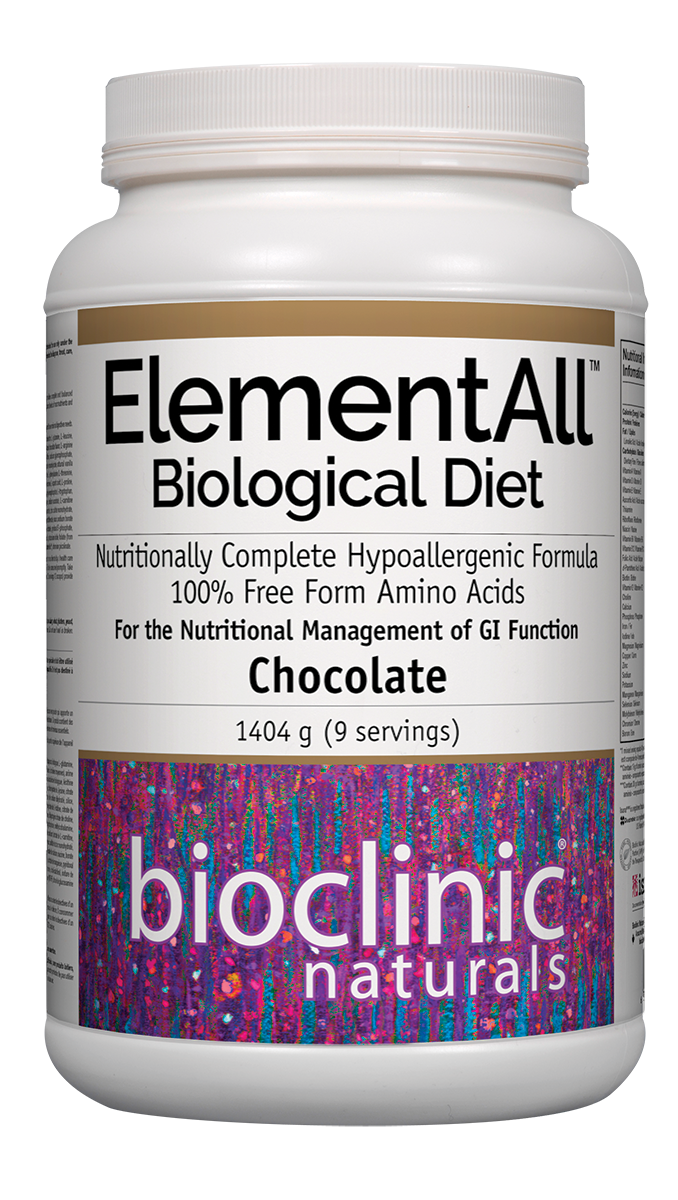
- Elemental diet for refractory SIBO/IMO when antibiotics or herbals fail or are contraindicated; 2–3 weeks exclusive use.
- Mindful meal pacing — small meals, minimal grazing, ≥3–4 h between meals to support migrating motor complex activity.
Brain-gut & movement
- Gut-directed hypnotherapy via the Nerva app — 6-week program; reduces IBS symptom severity comparably to low-FODMAP in trials.
- Daily mindfulness or paced breathing 10–15 min; vagal-nerve activation strategies.
- Walking 20–30 min post-meal supports motility; resistance training 2–3×/week for general health.
Antimicrobial therapies
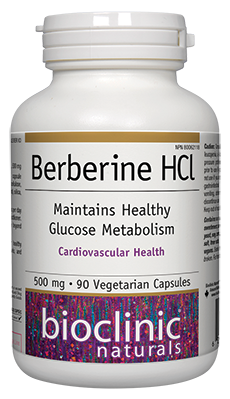
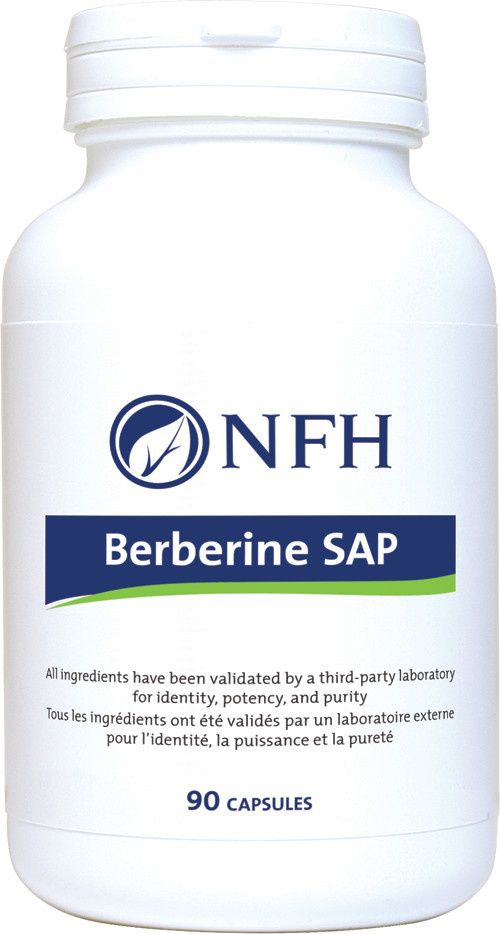
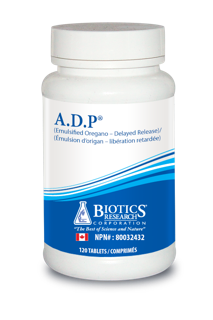
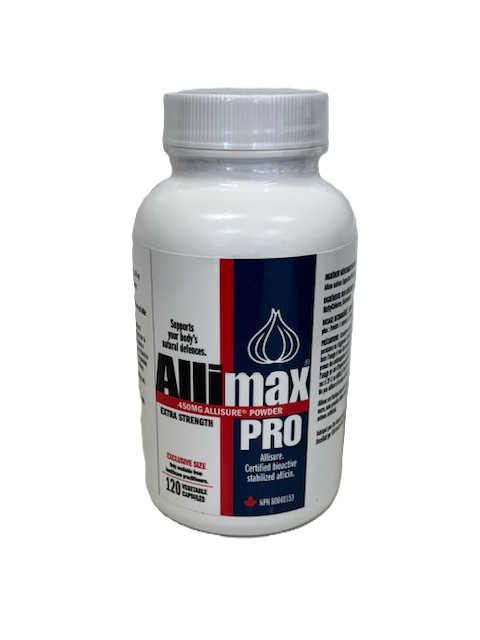
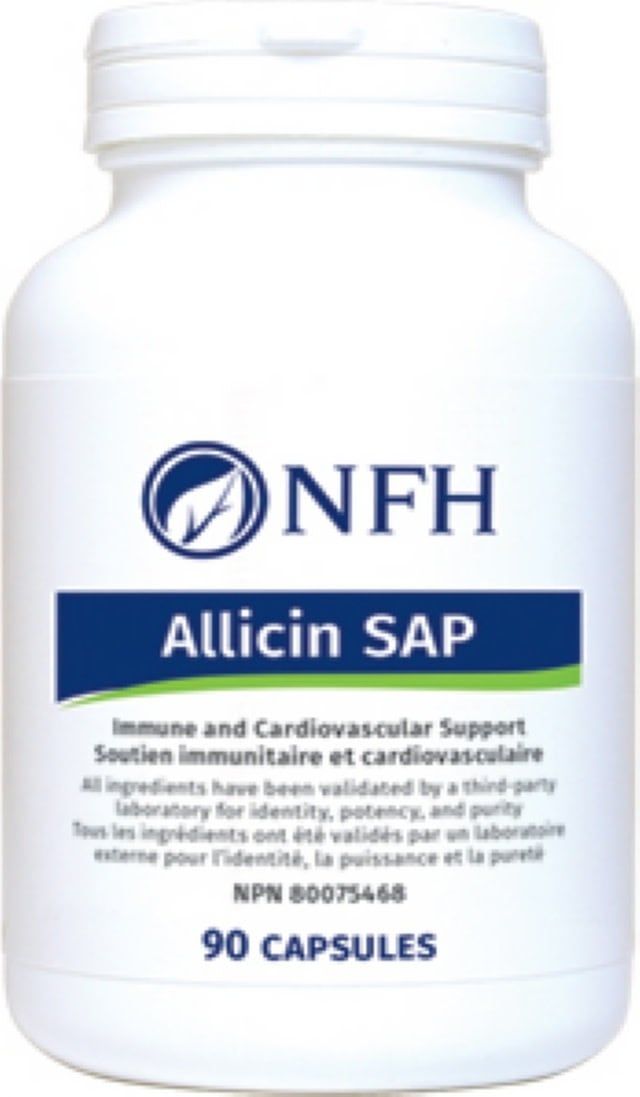
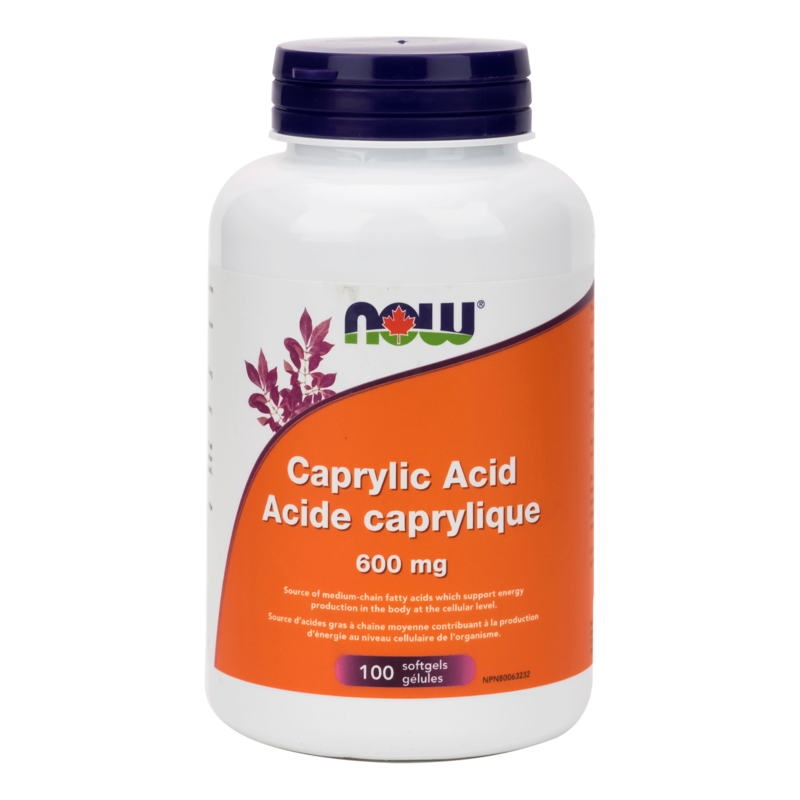
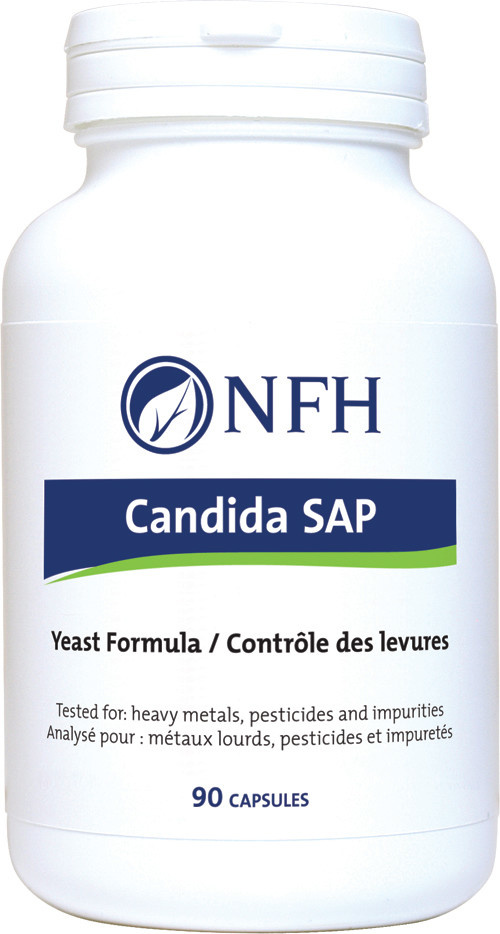
Bacterial, methanogenic, and fungal overgrowth — combination protocols typically outperform monotherapy. Cycle agents in 4–6 week courses; reassess symptoms and breath testing before extending.



Prokinetics & motility support
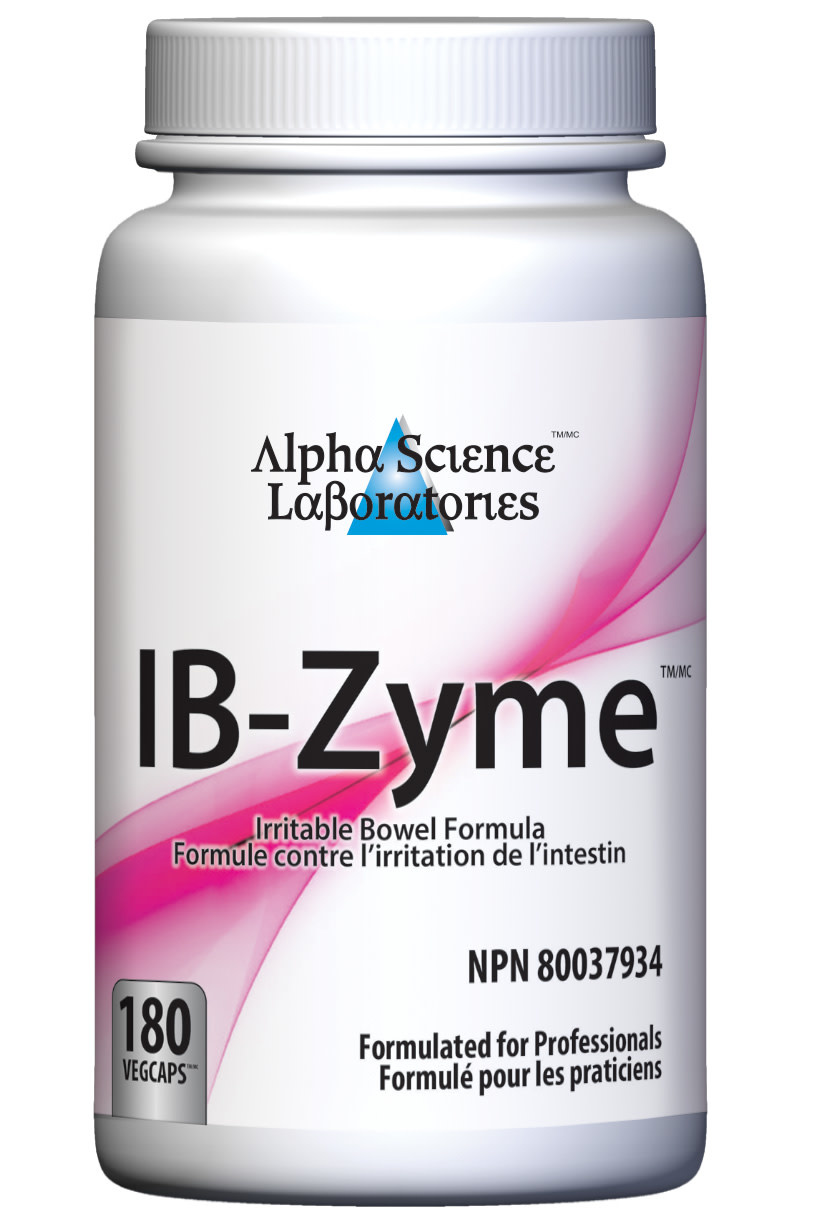
Use post-eradication for 8–12 weeks (or longer) to restore MMC activity and protect against recurrence. In IBS-C without SIBO, lower-intensity prokinetic may suffice.
Carminatives — symptom-directed


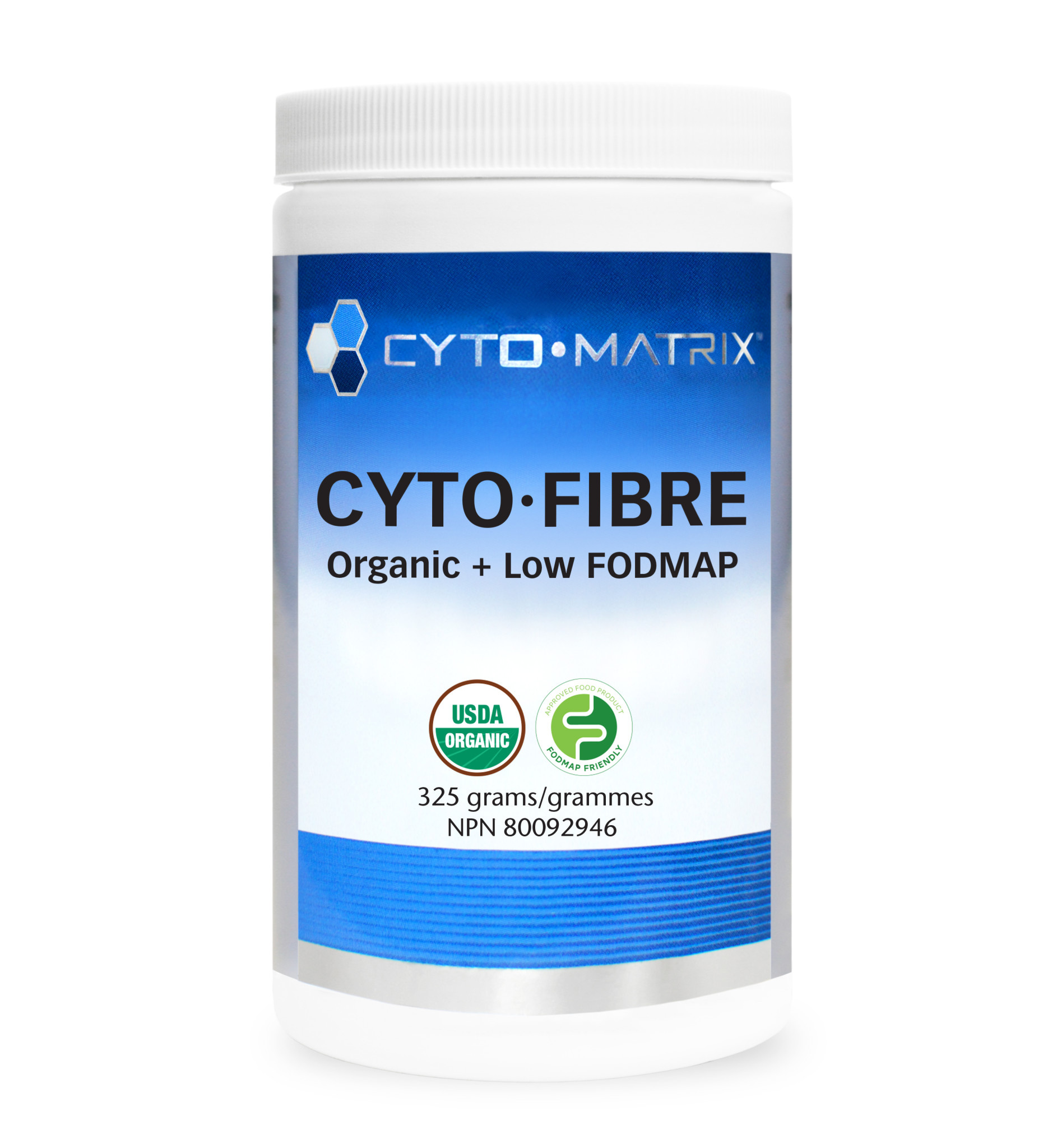
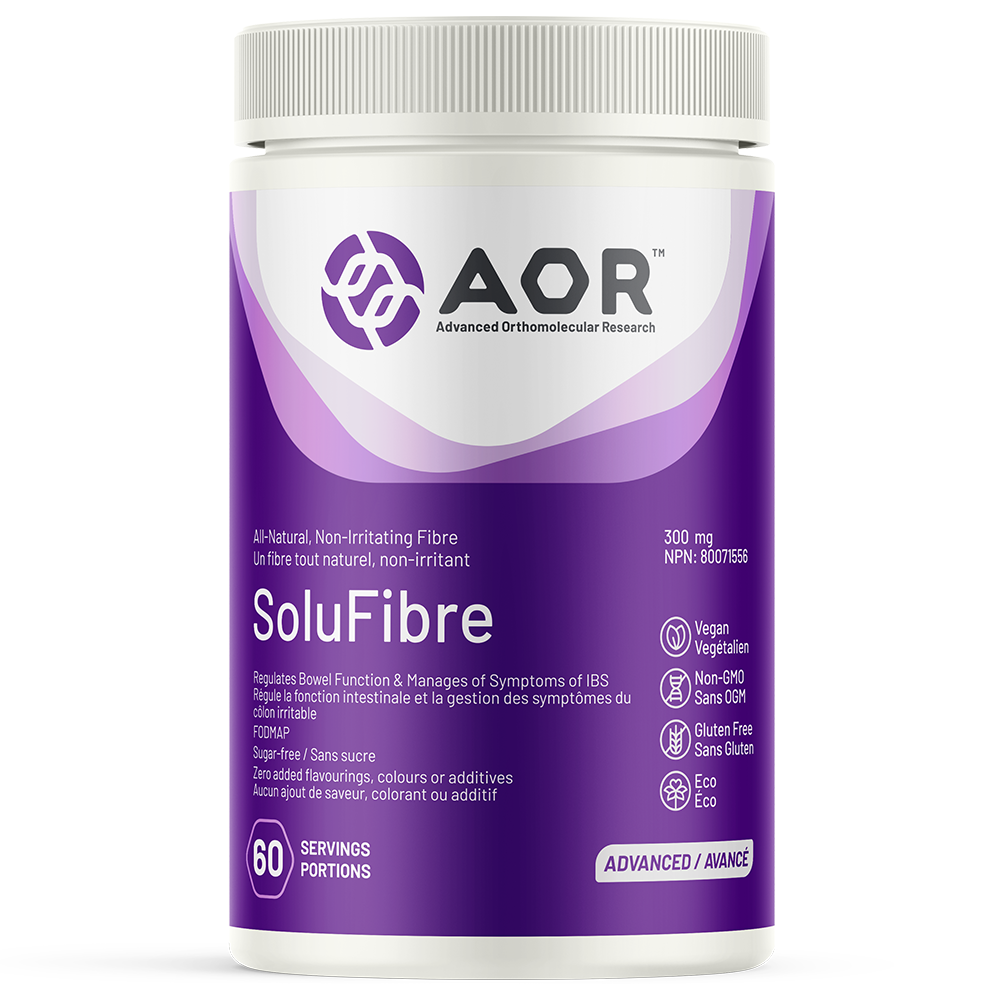
Soluble, low-FODMAP fibre
Reintroduce fibre AFTER overgrowth is controlled. Begin at the lowest dose with adequate fluid; titrate slowly.
Probiotics — barrier and competitive exclusion
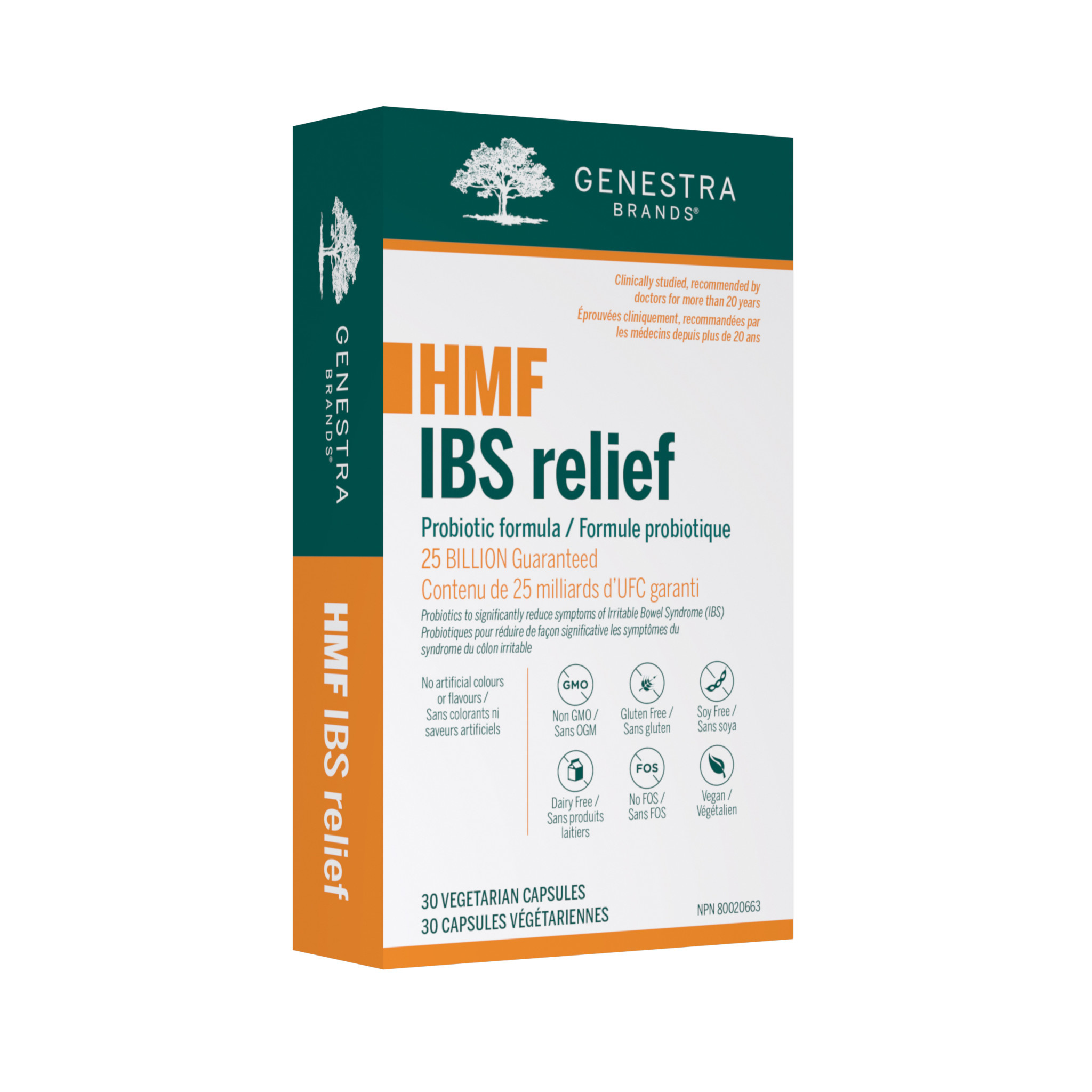
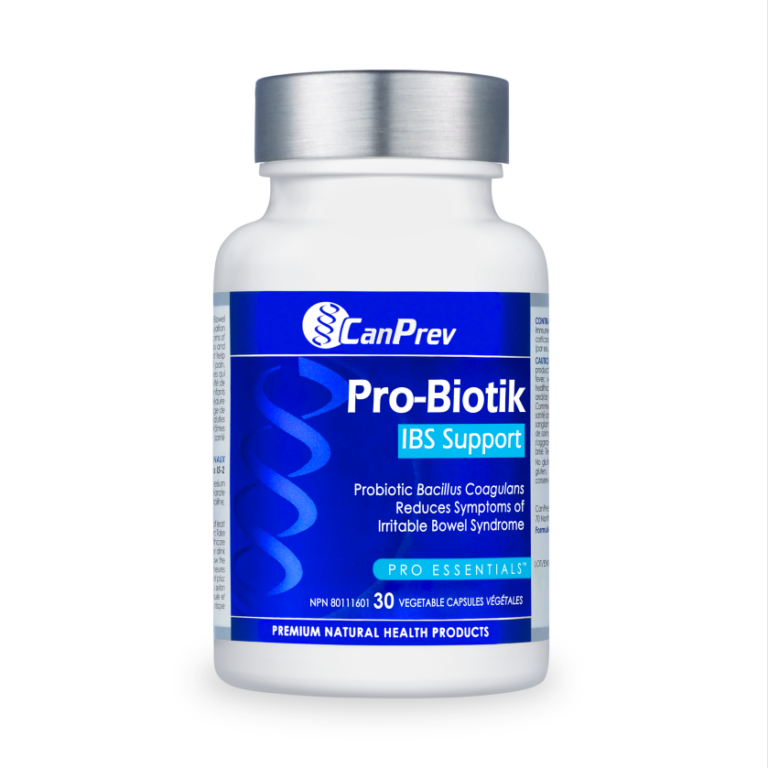
Strain-specific selection matters; high-prebiotic blends can flare during active SIBO.
Elemental / medical-food diet
Clinical pearls & cautions
- Sequence matters: treat SIBO/IMO before introducing prebiotic-heavy probiotics or high-FODMAP fibre to avoid symptom flare.
- Methane-positive (IMO): expect slower response; consider longer or repeat antimicrobial courses and prokinetic prophylaxis.
- Recurrence prevention: low-dose nightly prokinetic for 8–12 weeks post-eradication; address structural / anatomic and motility drivers.
- Red flags (weight loss, nocturnal symptoms, GI bleeding, age >50 new onset, family history of IBD/CRC) → defer functional workup until structural disease is excluded.
Disclaimer. This protocol is provided for educational purposes for licensed healthcare practitioners. It is not a substitute for clinical judgment, full patient assessment, or current local standards of care. BMS Resources does not provide medical advice. Practitioners are responsible for verifying that recommended products, doses, and tests are appropriate for their patient and jurisdiction. Dose ranges reflect typical practitioner-level adult dosing; individualize for the patient's clinical picture, comorbidities, and concurrent pharmacotherapy.
Display prices in:CAD